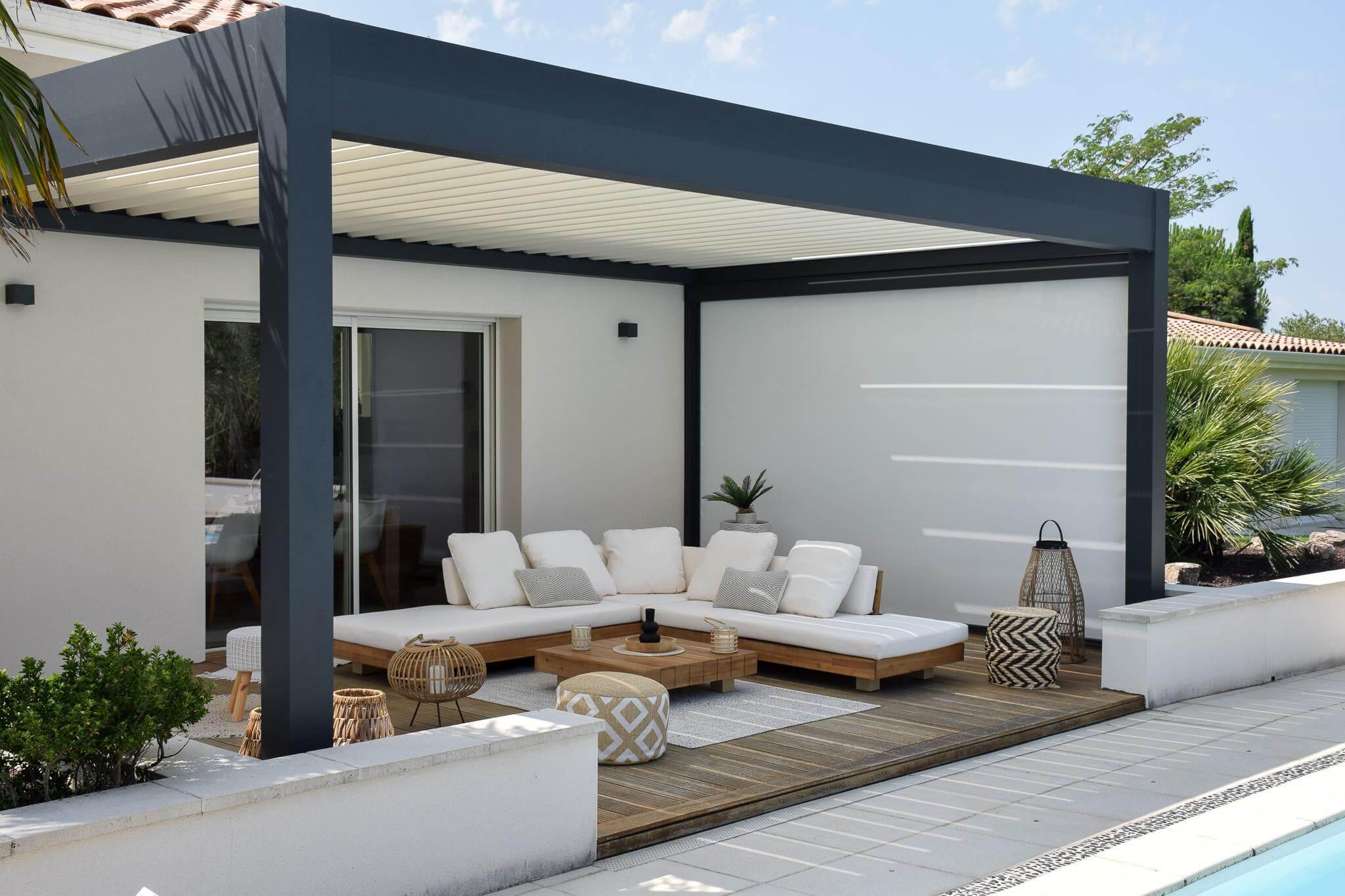
Maybe you pictured a simple pergola over your patio and assumed the rest would be easy.
Then you start looking at photos and quotes and realize you’re really choosing between shade, rain protection, views, airflow, and how usable that outdoor space will feel in both July and January. Get it right, and you gain a “second living room” you actually use; get it wrong, and you end up with a pretty structure you mostly walk past.
This pergola buyer's guide walks through the real-world differences between pergolas and other outdoor structures, the main styles and materials, and what affects the cost of a pergola. By the end, you’ll know which type makes sense for your climate and routine, where DIY kits stop being wise, which pergola accessories are worth it, and how an outdoor pergola can tie into the rest of your outdoor living plan.
Gazebo vs Pergola vs Patio Cover: What’s the Real Difference?
The clearest way to untangle pergolas, patio covers, and gazebos is to look at the roof and where the structure sits in your outdoor area.
Those distinctions matter because contractors, permit offices, and product lines may treat them differently. Understanding what separates these outdoor structures helps you compare options and avoid surprises during planning and installation.
Here's how the three options differ:
Pergola (Classic Definition)
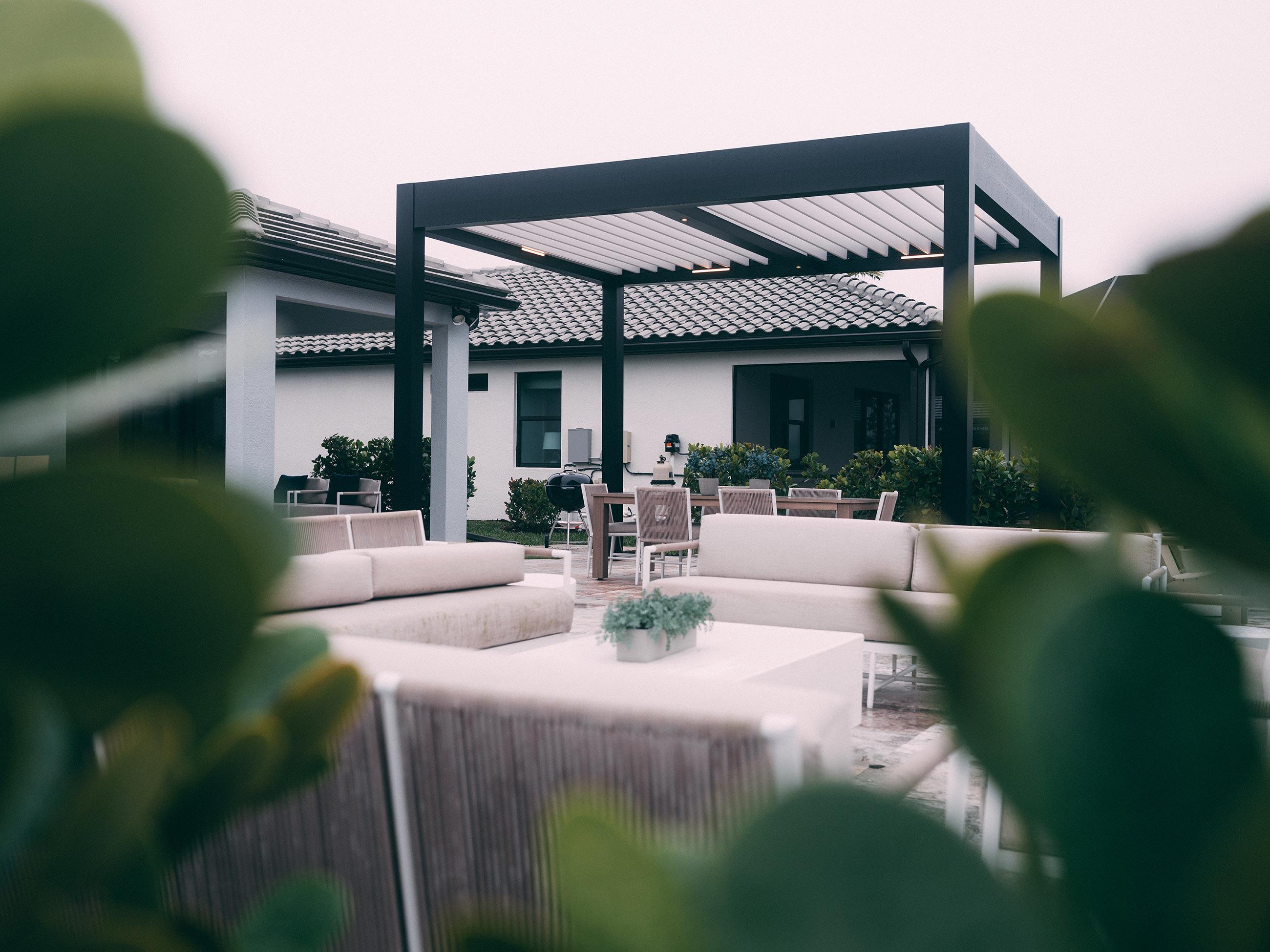
A traditional pergola has an open or semi-open roof with beams, slats (louvers), or lattice overhead.
It creates partial shade while letting in daylight and airflow, giving you a defined outdoor “room” that still feels connected to the sky. Louvered pergolas offer the best of both options, with slats that can be adjusted throughout the day and in different weather conditions.
Pergolas can be attached to the house or freestanding over most outdoor living spaces.
Patio Cover / Roofed Pergola / Awnings
A patio cover or roofed pergola has a solid or nearly solid roof that provides more consistent protection from the sun and rain. It's often attached to the house to extend the covered living area.
-
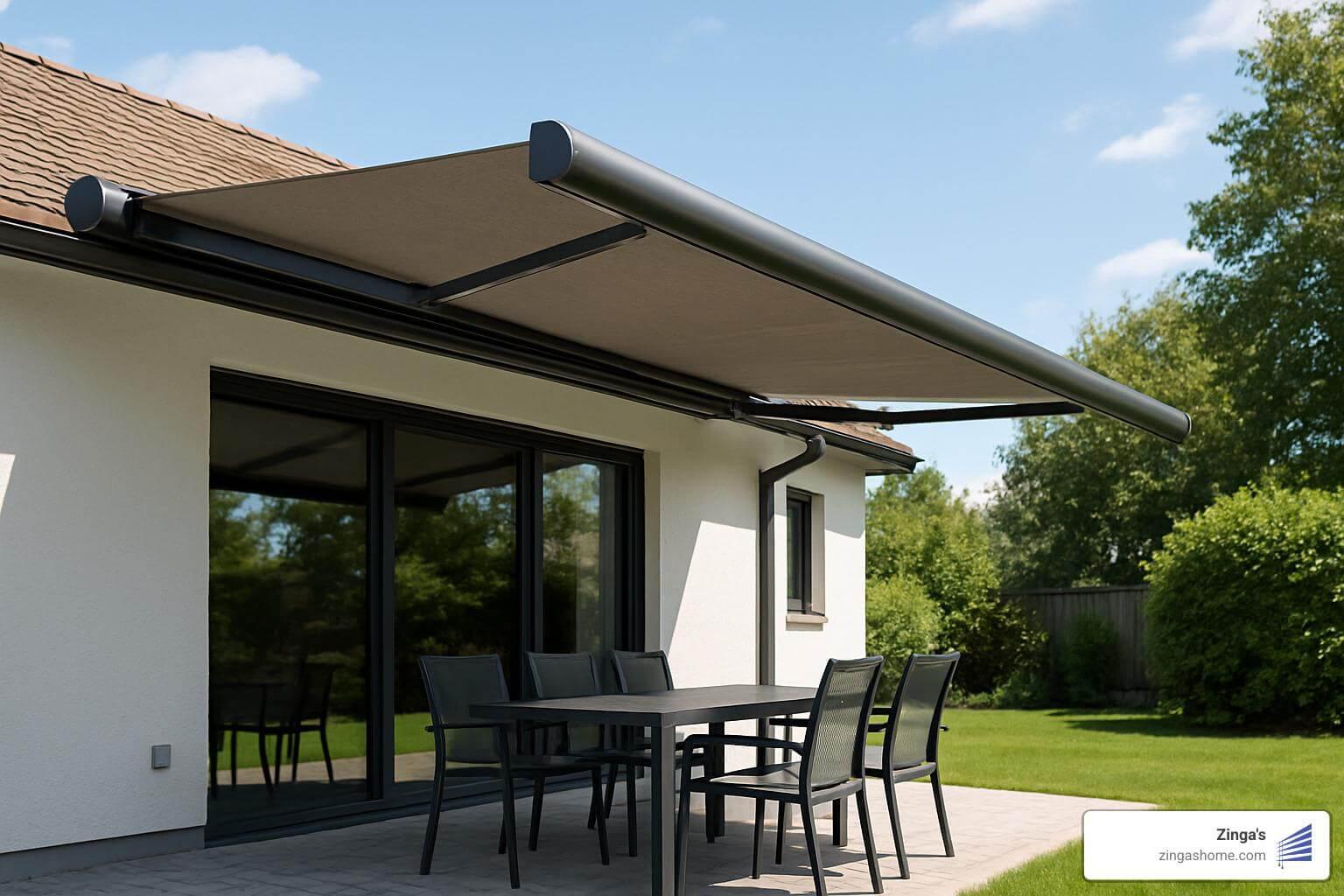
Retractable canopies or awnings are also patio coverings, but they are freestanding designs with retractable roofs attached to the building, which can be extended or retracted at any time.
Depending on its roof and attachment details, these options may face different building requirements.
Gazebo or Pavilion
A gazebo or pavilion is a freestanding, fully roofed structure that creates a separate destination in the yard. These structures come in square, rectangular, octagonal, and other design possibilities, and some include screens for added insect protection.
In practice, choose a traditional pergola when you want an airy outdoor room with dappled shade; a patio cover or a roofed pergola when you need more consistent shade and rain protection over a main patio; and a gazebo when you want a standalone retreat away from the house.
Pergola Styles That Actually Change How You Use the Space
Pergola “style” isn’t just about looks; the roof design decides how the outdoor living space behaves on hot days, during light rain, or in spring and fall. If you start by choosing roof style, then decide whether it should attach to the house or stand alone, the right option usually shows itself pretty quickly.
Broadly, you’ll see three roof approaches: open-beam, fixed-roof, and adjustable louvers.
Open-beam designs keep things airy, fixed roofs act more like a patio cover, and louvered systems let you tilt between open and closed. Your climate, sun exposure, and how you like to be outside usually point to one of these.
Open-Beam (Traditional) Pergolas
An open-beam pergola design uses exposed rafters or slats to soften the sun while keeping plenty of daylight and airflow.
You still see sky between the beams, which makes the space feel open rather than enclosed. These are often the cleanest, simplest structures and can be more budget-friendly than roofed or louvered systems. They’re also great if you like vines or climbing plants, string lights, or the option to add privacy screens on the side or shade cloth above for peak-season heat.
Best When:
-
Your climate is moderate, or you already have some roof overhang nearby
-
You mainly want to tame harsh sun, not sit outside in every storm
-
You love that classic pergola design and don’t mind some weather reaching the patio
Fixed-Roof Pergolas
A fixed-roof pergola has a solid or almost solid top, so the area underneath behaves more like a covered patio.
With a fixed roof, you gain stronger protection from sun and rain, and your outdoor furniture, cushions, and finishes may experience less direct weather exposure. These can feel more like an “outdoor room” you can count on in the middle of summer or during passing showers.
Best When:
-
You want reliable shade and rain protection over a main seating or dining area.
-
You live where afternoon storms or strong sun would otherwise chase you inside.
-
You expect to keep nicer furniture or an appropriately rated outdoor TV in that spac.e
Louvered Pergolas (Manual or Motorized)
A louvered pergola uses tilting slats so you can open for breeze and sky or close to create shade and direct rainwater, depending on the system.
When the louvers tilt open, you get light and airflow similar to an open-beam pergola design. Tilt them closed, and the space behaves more like a patio cover, especially if the system includes integrated gutters. Rain protection varies by product, installation, and weather conditions.
Many homeowners pair louvered roofs with motorized screens and outdoor kitchens because one structure can respond to a wider range of outdoor conditions.
Best When:
-
You want to use the outdoor space in a wide range of conditions
-
You’re comfortable investing more upfront for flexibility and less risk of costly changes later
-
You like push-button control instead of dragging umbrellas, covers, and shades around
Attached vs Freestanding
Once you pick a roof style, you still need to decide whether the pergola should attach to the house or stand on its own.
Attached pergolas often feel like a natural extension of a kitchen, family room, or primary bedroom. They work well over a main back-door patio, but bring extra responsibility: attachments, flashing, and loads at the house connection must be done correctly.
Freestanding pergolas sit over detached patios, pool decks, or lawn seating. They give you more freedom to place shade where views, traffic flow, and privacy make the most sense, although they still require proper anchoring and may need permits, depending on local building codes.
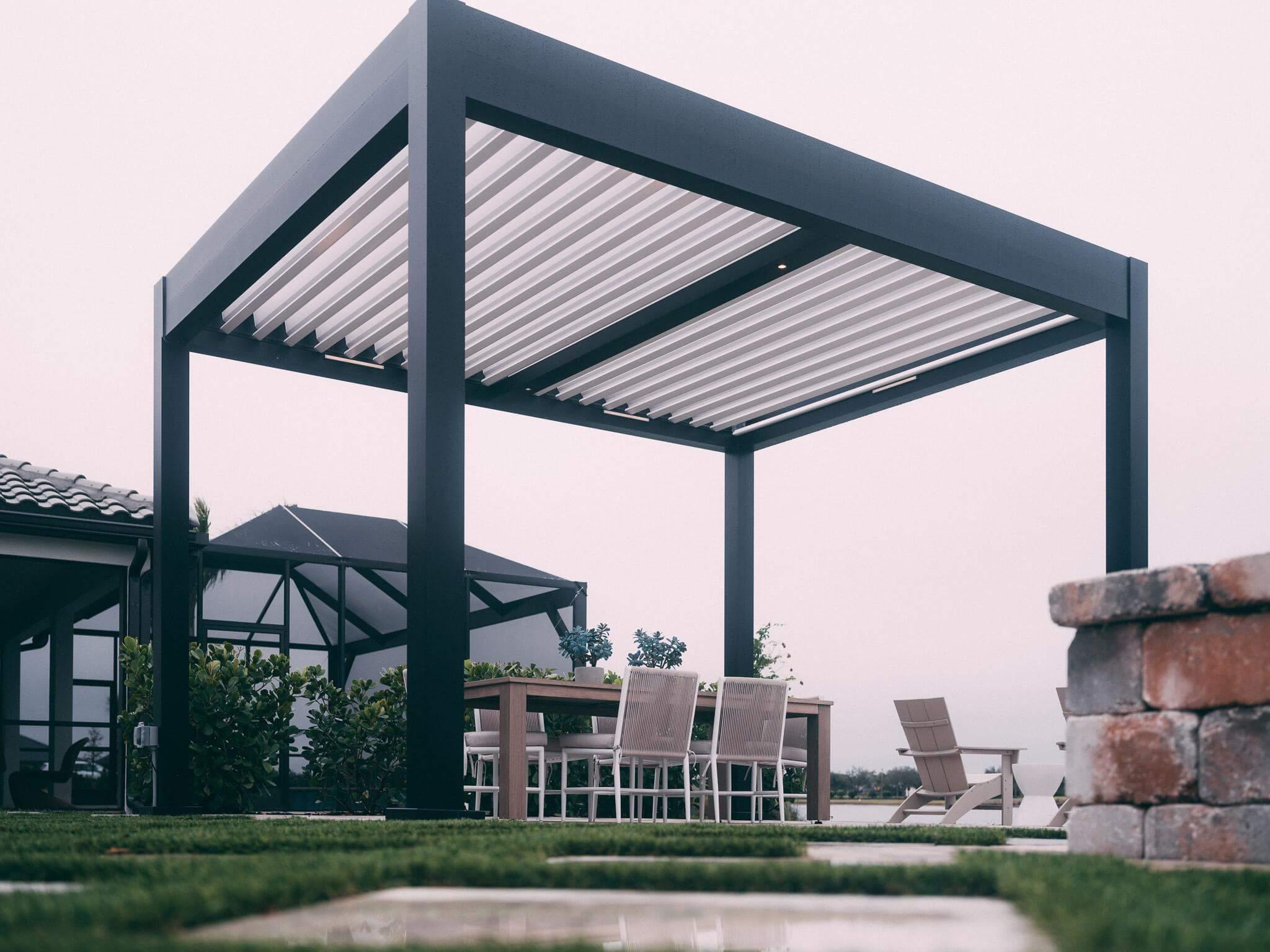
Pergola Materials Compared: Wood, Aluminum, Vinyl, and Steel
Pergola materials decide not only how the structure looks but also how often you’re cleaning, repainting, or worrying about it in a storm. Think beyond how it looks when first installed and ask, “What does this material look and feel like in year ten?”
Here's how the four common pergola materials compare in maintenance and everyday use:
|
Material |
Maintenance Level |
Best For |
|
Wood |
Higher — needs periodic refinishing |
Warm, traditional look if you accept upkeep |
|
Aluminum |
Low — occasional washing |
Hot, humid, or coastal areas; modern feel |
|
Vinyl/composite |
Low — periodic cleaning |
Painted-wood look without regular repainting |
|
Steel |
Moderate — protect coatings |
Engineered large spans and modern profiles |
Wood
Wood pergolas bring natural warmth and character, and they’re easy to match with trim or stain colors. When they’re detailed and maintained correctly, they can last a long time, but sun and moisture are relentless on exposed beams and posts. These are particularly difficult conditions in coastal areas, like Florida's coast.
You’ll want to plan on periodic refinishing, watching for checks, cracking, and moisture at connection points. If you enjoy that kind of project and love the look, wood can be very satisfying.
Aluminum
Aluminum lends itself to clean, modern aesthetics, and can be finished to mimic painted wood or even wood grain.
Aluminum frames don't rot and handle heat and humidity well, which makes them a strong fit for many patios in coastal regions and pool areas. Maintenance is usually limited to occasional washing, and quality finishes are designed to hold color without frequent repainting.
Vinyl and Composites
Vinyl and composite pergolas aim to deliver a painted-wood look without a paintbrush schedule.
While they don't have the durability of aluminum or wood, quality products can still resist rot and insects and mostly require periodic cleaning. Color choices are tied to what the manufacturer offers, and you won’t repaint them as flexibly as real wood, so you’ll want to pick a finish you’re happy to live with for the long term.
Steel
Steel comes into play when spans get large or significant structural loads are involved.
It can allow slimmer posts and beams than wood in some engineered designs and can work well in higher-wind or snow regions when the complete structure is designed and anchored for those conditions. The trade-off is caring for coatings and watching exposed edges more closely, especially in salt air or near pollution.
Ultimately, the right pergola material comes down to your climate, preferred look, and how much maintenance you're willing to take on. Consider those tradeoffs alongside the structure's design and installation requirements, and you'll be in a better position to choose a pergola that looks good and holds up to everyday use.
Pergola Costs: What Affects the Final Price?
Pergola prices vary widely because pergola designs cover everything from a small open-beam structure on an existing slab to a motorized louvered roof wrapped around an outdoor kitchen. The final price depends on the structure, installation requirements, and features you choose.
Broadly, you’ll see three planning tiers:
-
Entry-Level: Small wood or standard aluminum pergolas on straightforward patios
-
Mid-Range: Larger footprints, upgraded materials, or modest add-ons like LED lighting or fans
-
Premium: Engineered aluminum or steel, motorized louvers, and integration with lighting systems, infrared heaters, or even integrated kitchen components.
What tends to bump you up a tier is size, roof complexity (fixed or louvered versus open-beam), material choice, site work (footings, pier changes, or framing adjustments), and whether you’re adding electrical or coordinating with other projects.
A local proposal is the best way to get a meaningful number, and comparing what each quote includes helps you spot important differences. Ask whether foundations, permits, drainage, electrical work, and installation are included.
With Zinga's, an in-home consultation can help you understand how these factors apply to your space, explore available options, and prioritize the features that make the most sense for your needs and budget.
How to Choose the Right Pergola for Your Home
The easiest way to choose a pergola is to work backward from how you want the outdoor space to feel and when you want to use it. If you name the main problem, match it to your climate, and then look at style and material, you usually narrow the field to one or two strong options instead of a dozen pretty guesses.
Consider these guiding questions:
-
What Problem Are You Fixing? Are you combating too much sun over the patio during dinner, seeking dry seating in the rain, craving privacy from neighbors, or needing mosquito protection at dusk? Each concern calls for different solutions, such as adjustable louvers, solid roofs, or additional features like screens or retractable canopies.
-
How Extreme Is Your Climate? In excessively hot, sunny, or coastal regions, materials like powder-coated finish over an aluminum louvered pergola with corrosion resistance are ideal. Milder areas can accommodate standard aluminum structures where maintenance isn’t a burden. For windy or snowy climates, prioritize pergolas with a solid structure and engineering, like a wind-rated pergola.
-
How Much Maintenance Will You Really Do? If you enjoy seasonal tasks like sanding and staining decks or maintaining natural greenery, then wood might be suitable. Otherwise, choose low-maintenance materials like aluminum, which generally require only an occasional wash.
-
How Should the Space Feel? An open, airy feel usually leads to choices like open-beam pergolas or those with minimal infrastructure. For a cozy “outdoor living” atmosphere, consider options like motorized louver roofs, built-in drainage, or optional side privacy walls or screens that create intimate outdoor living spaces.
-
Where Does It Sit and How Do You Move? Connected pergolas work well off main doors for easy access to interior rooms, while freestanding pergolas can be strategically placed based on views, pool edges, or specific arrangements of outdoor furniture. Contemplate daily activities like carrying food, adjusting furniture, and monitoring children or guests as you plan your installation and placement.
What to Check Before Buying a Pergola
Before committing to a design, check a few details that can affect comfort, cost, and installation:
-
Size and Sun Exposure: Leave enough room for furniture and walkways, and consider low-angle afternoon sun that an overhead roof may not block.
-
Water Management and Weather Ratings: Ask how a fixed or louvered roof handles rain and whether the complete structure meets applicable wind or snow load requirements.
-
Permits and Site Conditions: Check local building regulations, setbacks, utilities, and any homeowners' association requirements.
-
Quote and Warranty Details: Confirm what installation includes, which components are covered, and who handles future service.
These questions are especially useful when comparing two pergolas that look similar in photos.
DIY Pergola Kit or Professional Pergola Installation?
Deciding between a DIY pergola kit and professional installation comes down to size, complexity, and how comfortable you are with structure, fasteners, and local rules. Many modular pergola or aluminum pergola kits can be a good answer for small, simple projects on suitable patios.
Once you involve the house, significant structural loads, or utilities, having a pro lead the work usually pays off in safety and long-term use.
When DIY Can Work
-
Small, simple modular pergola in a mild climate
-
You’re confident with layout, post bases, and proper anchoring
-
You have the time, tools, and interest to do it carefully
When to Lean Professional
-
Attaching to the house or tying into the roof structure
-
Dealing with wind, snow, or hurricane exposure
-
Integrating lighting, heaters, fans, or motorized screens
-
You want one point of accountability if something isn’t right
Some premium systems also require specific installation methods, a direct power source, and strict building materials to maintain their performance and meet applicable warranty requirements.
In those cases, professional installation is about making sure the pergola performs as intended, not just for convenience. With Zinga's, that professional approach begins with understanding your space and how you plan to use it, helping you consider the right design, placement, and available features before installation even begins.
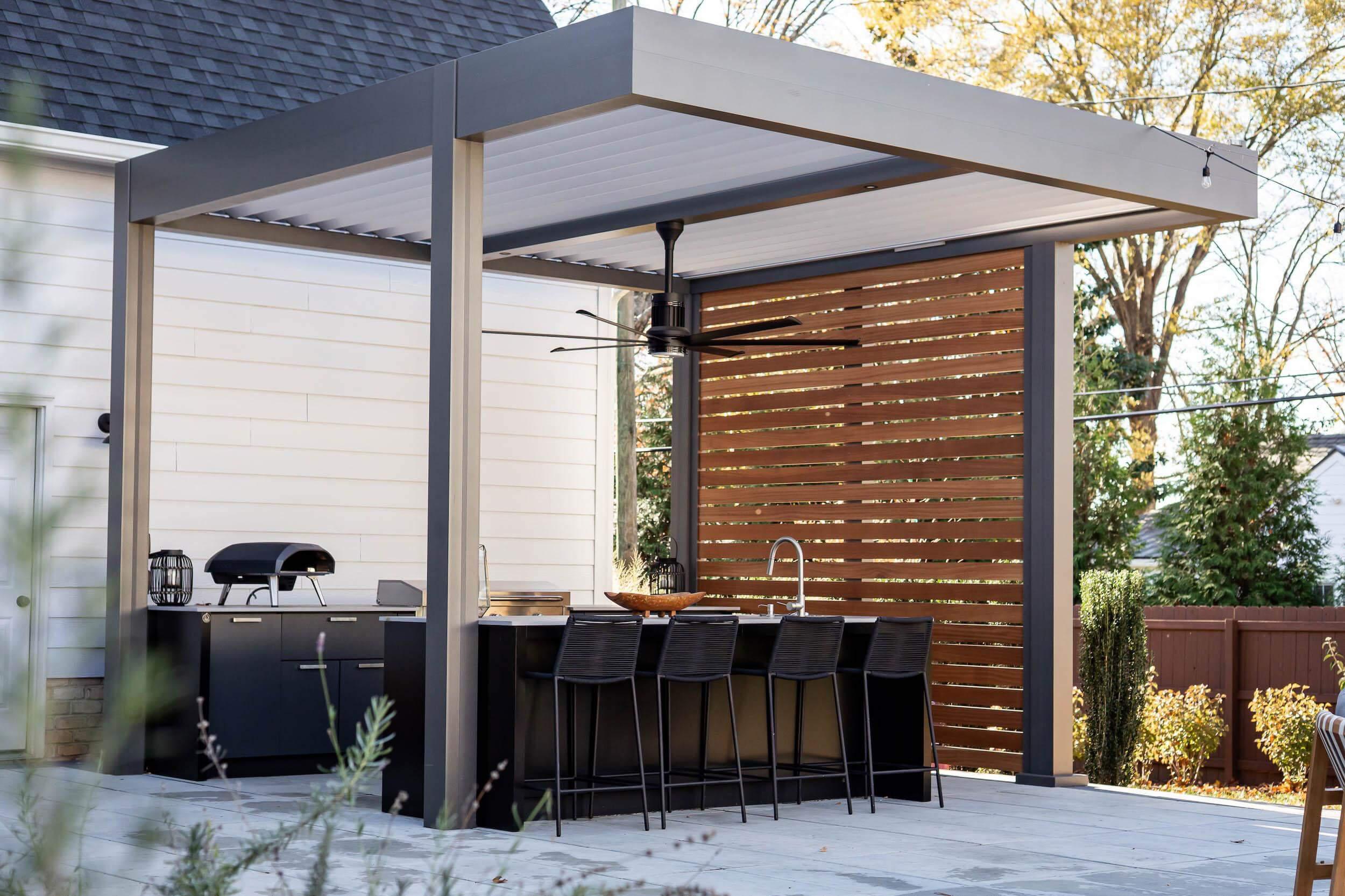
How a Pergola Fits Into Your Outdoor Living Plan
It’s easy to think of a pergola as a standalone feature, but it often works best as part of a bigger comfort plan. Shade overhead solves only part of the problem if low sun, bugs, or cold evenings still chase you back inside, and coordinating the structure with the rest of your space can help avoid costly changes later.
For many patios, the sweet spot is a pergola paired with the right supporting pieces:
-
Pergola Plus Motorized Screens to help manage sun, insects, and privacy while letting you restore views and airflow when the screens retract
-
Pergola Plus Awning or Shade Sail, where changing sun angles call for more flexible coverage, if the layout and mounting conditions allow
-
Pergola Plus Outdoor Kitchen, when cooking and eating outside are part of the goal, and you want workflow, cover, and utilities planned together.
Thinking this way shifts you from buying a structure to designing a space: the pergola becomes the backbone, and screens, lighting, fans, or a kitchen fill in the rest of the comfort plan.
That's where Zinga's whole-space approach becomes especially valuable. With pergolas, motorized screens, and other outdoor shading solutions to consider, homeowners can look beyond a single structure and think about how the different elements work together to make their outdoor space more comfortable and usable.
Find the Right Pergola for Your Home With Zinga's
If you can describe what keeps you from using your patio today, too hot, too bright, too exposed, too buggy, you’re already ahead of most people shopping for pergolas. Match that problem to your climate, be honest about maintenance, and decide how the space should feel. From there, choosing the right pergola becomes less about comparing features and more about creating a space you'll actually enjoy.
That's where Zinga's brings more to the table than pergolas alone.
With expertise in indoor and outdoor shading, personalized in-home guidance, and solutions that include pergolas, motorized screens, retractable awnings for patios, and more, Zinga's can help you see how everything works together for your home.
Start with a free in-home consultation to explore your options, understand installation considerations, and discuss pricing. You can also explore available financing options when you're ready to move forward.