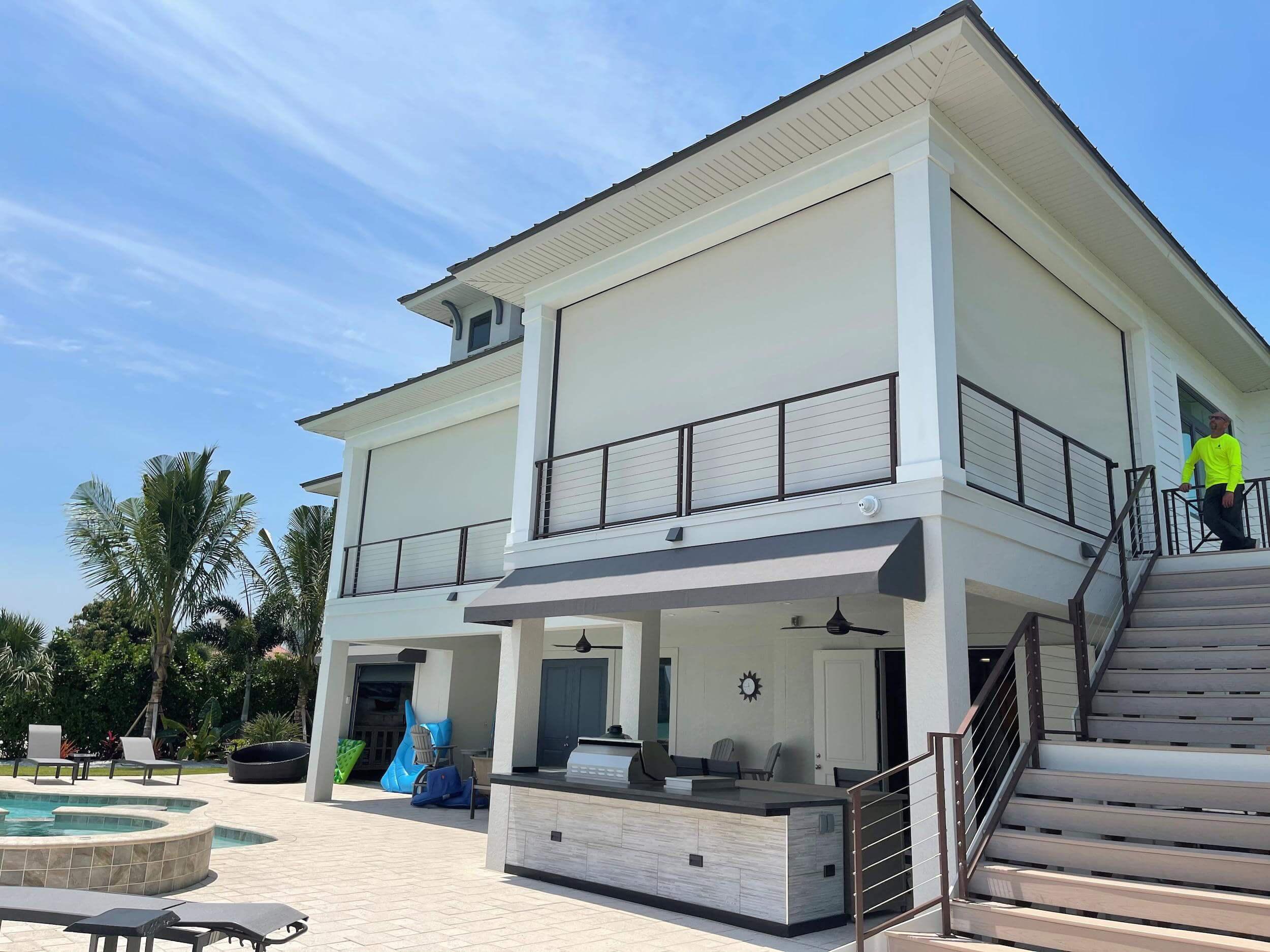
Stand in front of a bare window, and you can usually feel the problem before you can name the product:
-
Afternoon sun blasting the sofa.
-
A neighbor’s porch light shining straight into your bedroom.
-
A beautiful view you don’t want to lose, but keeping it also means being constantly on display to others.
Choosing the right window shades isn’t about memorizing fabric names, but matching how each type behaves to how you actually use the room can be the key to having that right balance between natural light, maintenance, and privacy.
The best solutions solve a specific daily irritation, then disappear into the background. A little clarity up front can save you from second-guessing later, and help you choose shades you’ll be happy living with every day.
How to Choose the Right Window Shades for Each Room
Before comparing types of window blinds or shades, think about how you actually use each room. The best product on paper can still disappoint if it doesn’t fit your daily routine, your window frame, or the way you want the space to feel.
A product that looks stylish in one area might be frustrating in another, even when the windows are nearly identical.
Start by answering a few simple questions:
-
What bothers you most? Identify when natural light, privacy, or temperature control becomes an issue, and look for solutions that offer glare protection or enhanced privacy.
-
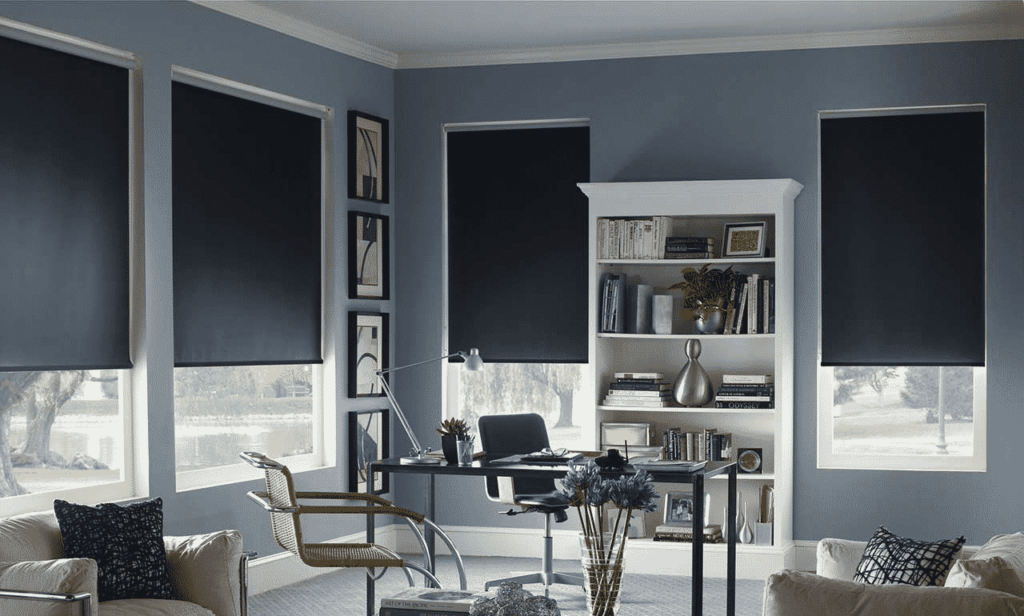
When do you use the room? Your needs may change depending on the time of day and how you use the space. Consider blackout blinds for bedrooms or fabric roller blinds to filter light in living spaces.
-
What matters most to you? Decide which priorities are nonnegotiable, such as style or functionality, and where you’re willing to compromise. For instance, cellular blinds or shades might offer a layer of insulation beneficial for summer and winter months.
-
What practical limits should you consider? Window size, accessibility, maintenance, and budget can all influence your options. Space constraints might require vertical blinds, while a wide range of designs and finishes cater to various tastes.
Those answers give you a starting point, not a rigid set of rules.
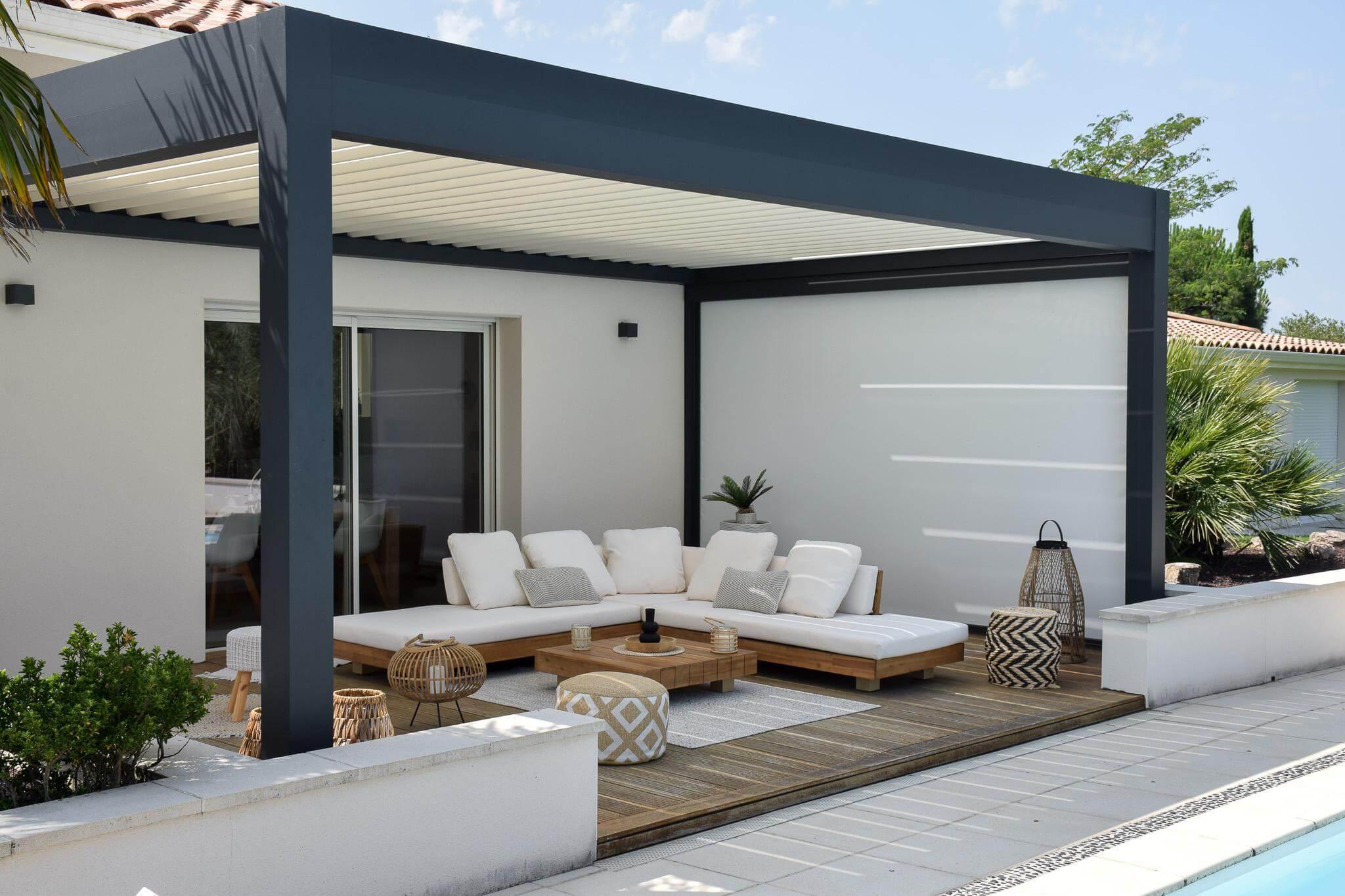
You might discover that two rooms need completely different window treatment options, like Venetian blinds for windows in the kitchen for easy clean-up and outdoor shades for patios, or that a consistent look throughout the home matters more than choosing the same product everywhere.
Keep your priorities in mind as you explore the wide range of window shade styles and functionality. The goal is to find solutions that work together without forcing every room into the same mold, ensuring both elegance and enhanced control in your home.
Where Do Roller Shades Work Best?
Roller shades work best on standard and wide windows and doors where you want a clean, functional style, predictable light control, and an easy shade to live with.
They’re a popular modern option: a single fabric panel that rolls onto a neat tube, featuring a compact profile and available in a wide range of colors and opacities to complement any space.
Roller shades are usually the right starting point when you want:
-
A streamlined look on standard or wide windows and sliding doors, depending on the available configuration and the fit within your existing window frame.
-
Predictable light control via light-filtering, room-darkening, or blackout fabrics, which can offer enhanced privacy and glare protection in homes.
-
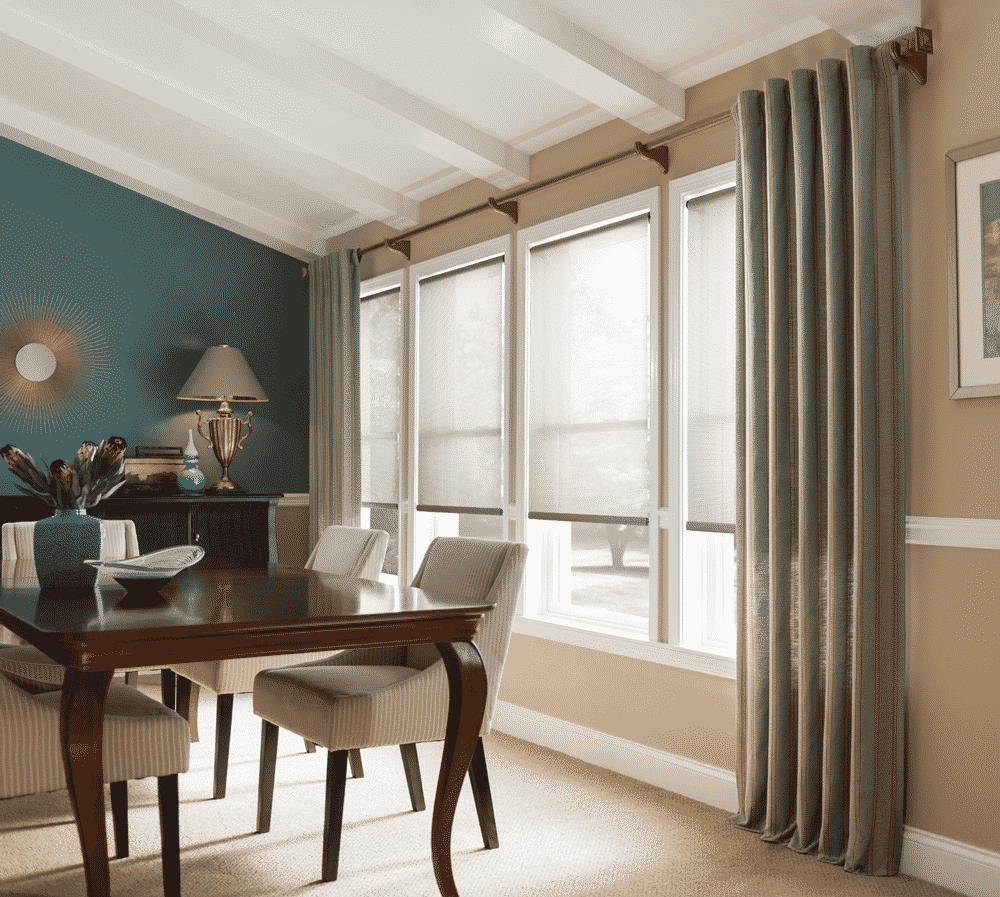
Easy layering with drapery to add extra softness or darkness, achieving a timeless style.
But there are limits.
Roller Shade Considerations
Depending on the type of window frame, some standard shade panels might leave a bit of light around the edges, so they’re not ideal if you need near-total darkness without side channels meant for blackout shades, which is an option Zinga's offers, for example. A custom consultation can help determine the best alternatives or solutions for any window in particular.
Additionally, these modern shades can feel a bit too minimal in very traditional rooms, unless you layer them with drapes or choose designs with more character.
Even so, in spaces where they fit the style, roller shades often function as the quiet “baseline” choice in a whole-home shades collection. They pair well with other options like shutters or drapery, allowing for enhanced control and versatility, especially when large sliding doors might call for more specialized operation you’d choose with a consultant.
Are Cellular Shades Worth It for Comfort and Energy Efficiency?
Cellular shades stand out for comfort and energy efficiency, especially in homes where maintaining consistent temperature and soft, natural light is a priority. Known also as honeycomb shades, these window treatments utilize a complex honeycomb design that creates small air pockets, offering a significant layer of insulation to minimize heat transfer through the window. This makes them a perfect fit for rooms that get drafty in winter or overly warm in summer.
Consider cellular shades when you value:
-
Temperature and comfort: Ideal for bedrooms, nurseries, and workspaces where maintaining a cozy atmosphere is crucial.
-
Soft, even light: They help filter sunlight, reducing harsh beams across screens or pillows, and enhance privacy without bulky products.
-
Versatile privacy and light control: Available in a wide range of fabrics from light-filtering to blackout options, some models feature top-down/bottom-up operation to balance ample light with privacy.
Each cellular shade's specific product details will influence its operation and appearance. The tradeoff with cellular shades is their "soft" rather than "sleek" look, which might not align with more minimal or modern spaces compared to, say, Venetian blinds. Roller shades often fit those styles better, maintaining a streamlined frame.
If your main concerns are temperature fluctuations, whether overheating or drafts, cellular shades should be high on your product list. For south- or west-facing rooms, which might be uncomfortable during certain times of the day, consulting with a professional about fabric choices, insulation properties, and shade collections can mitigate potential frustrations.
At Zinga’s, our conversations with homeowners about cellular shades start with assessing the room's functional needs and how various types of window blinds and shades, such as Roman or woven wood, might offer understated elegance and finished looks without sacrificing comfort.
When Do Roman and Woven Wood Shades Make Sense?
Roman and woven wood shades are a popular choice for homeowners looking to add both functionality and style to their windows. These shades offer a wide range of solutions, providing light filtering, privacy, and a finished look that complements various designs.
Unlike certain blinds, such as Venetian or Vertical blinds, Roman and woven wood shades deliver a softness and character that roller or Cellular Shades may not.
Roman Shades
Roman shades use sewn fabric that folds into soft pleats as you raise them, offering a timeless style and subtle elegance. They’re ideal when you want:
-
Tailored softness: Achieve a sophisticated look without committing to full-length drapes.
-
Pattern or color: Bring in vibrant colors or unique patterns to anchor a room's design.
-
Enhanced privacy and light control: Options with near-blackout lining can provide deeper darkening, making them perfect for bedrooms or nurseries where comprehensive light blocking is essential.
Woven Wood Shades
Woven wood shades, constructed from grasses, reeds, and other natural fibers, bring warmth and texture to any space. They're an excellent fit for living rooms, dining rooms, and sunrooms where you can line them for more privacy or pair them with fabric roller blinds to complete the look.
-
Unique textures and natural feel: These shades capitalize on the textures of natural materials, offering an organic aesthetic that enhances the window space.
-
Versatile layering: They can serve as a base layer under enhanced privacy curtains or drapes for added functional style.
Considerations
These shades have distinctive design elements that may influence their fit in your home.
Both Roman and woven wood shades can stack higher at the top of the window frame, slightly reducing the visible glass when fully raised. The natural variation in woven materials means each piece is unique, charming if you love character, but potentially distracting if you need uniformity across your décor.
Ultimately, Roman and woven wood shades work best when chosen with consideration to your home's finishing touches such as floors, furniture, and trim, ensuring that every element contributes to a cohesive and intentional style.
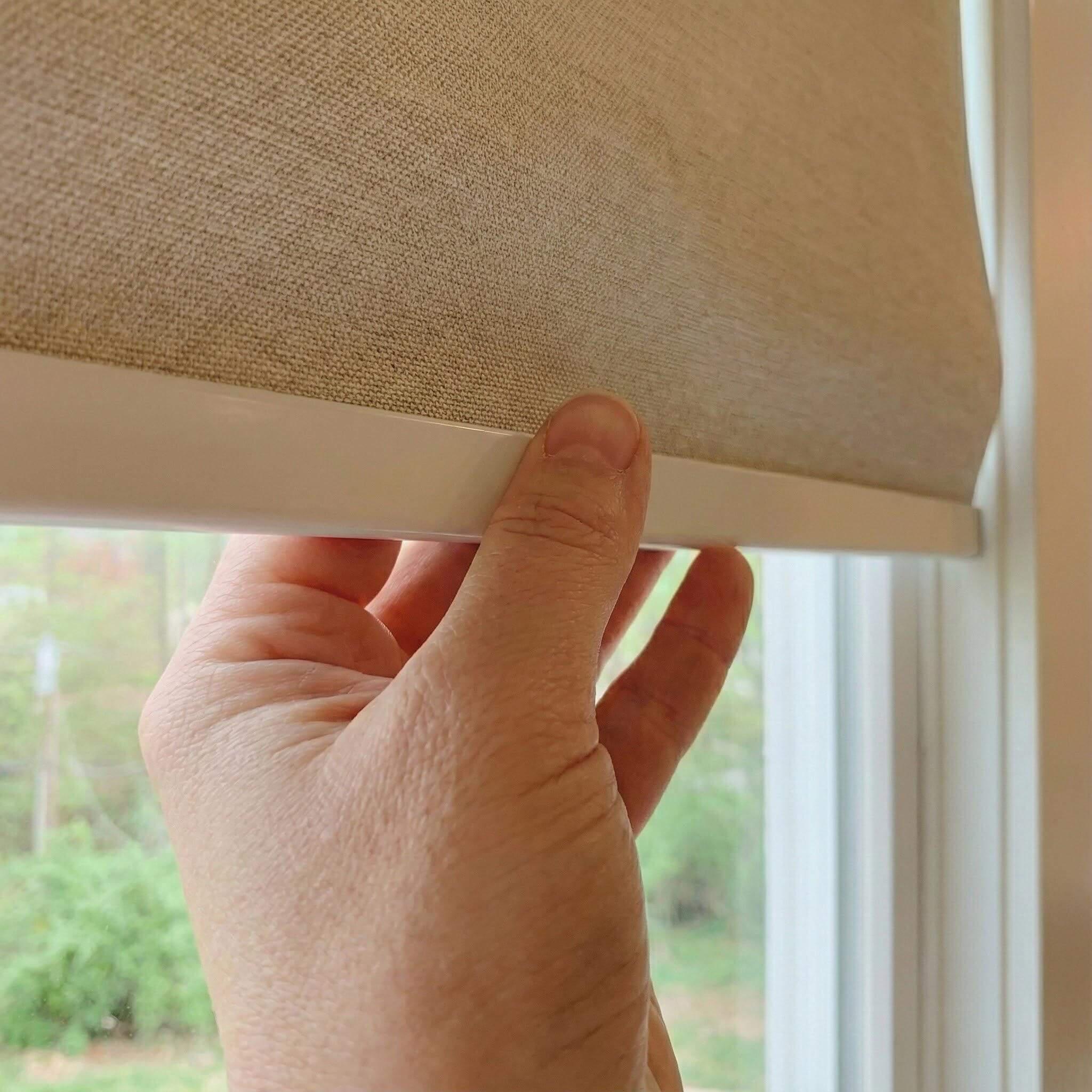
When Do Sheer, Zebra, or Solar Shades Make Sense?
Sheer shades, zebra shades, and solar shades are types of window treatments that make sense when you want to keep your view and ample natural light while reducing glare or softening the space. They're ideal for homeowners who say, “I love what I see outside, but I hate the glare or feeling exposed.”
Each type handles light, visibility, and privacy a little differently:
-
Sheer shades soften daylight and the outdoor view through the window, creating a lighter, more open feel.
-
Zebra shades (also called dual-layer shades) alternate sheer and more opaque bands, allowing you to adjust, with a smooth movement, their alignment for different levels of light filtering and enhanced privacy.
-
Solar shades use specially designed fabrics to offer glare protection and UV exposure reduction while still letting you view outside to varying degrees.
The big catch is nighttime privacy.
With lights on inside and darkness outside, sheer and solar shades provide much less privacy.
Zebra shades can offer more coverage when their opaque bands are aligned, although the exact result depends on the fabric and design. They are excellent options for living rooms, kitchens, and offices, but may not be the sole window treatment in your bedrooms if nighttime privacy is a concern.
If nighttime privacy is nonnegotiable in a space such as a bedroom, you can pair them with a second layer, like simple drapery or a set of blackout shades. This combination allows you to enjoy the view during the day without feeling exposed at night, creating a mix of privacy and functional style.
Window Shade Types Compared: Benefits and Tradeoffs
If you’re still weighing your options, this quick comparison brings the main window shade types together.
|
Window Shade Type |
Strongest Advantage |
Main Tradeoff |
|
Roller |
Simple styling and flexible light control |
Very modern shade that might clash with traditional styles |
|
Cellular |
Added insulation and comfort |
Pleated appearance isn't for everyone |
|
Roman |
Softness, pattern, and a tailored finish |
Fabric stacks at the top |
|
Woven Wood |
Natural warmth and texture |
Privacy depends on weave and lining |
|
Zebra |
Adjustable light and privacy |
Distinctive banded appearance |
|
Solar |
Glare reduction with some outward visibility |
Limited nighttime privacy |
Once you've narrowed down the style that fits your room, the next step is deciding whether additional light control or automated operation would make it work even better.
Blackout and Room-Darkening Shades for Better Sleep
If someone in your home is a light-sensitive sleeper, even the smallest slats of light can feel like glaring stadium lights at 5 a.m.
Blackout and room-darkening shades are designed to tackle this issue, but it's essential to have realistic expectations about their effectiveness as a window treatment.
These terms highlight light-control options available with various types of window blinds and shades, rather than entirely separate shade families or a distinct product list.
The exact results depend on the specific product and how it's installed within your window frame. Considering the shades collection, here are practical considerations for these options:
-
Room-darkening fabrics in shades and blinds diffuse lighting, reducing the amount of natural light that filters through the material. However, the level of darkness varies by fabric, fit, and installation.
-
Blackout fabrics like those in blackout blinds or shades aim to prevent sunlight from passing through the fabric entirely, offering enhanced privacy and optimal glare protection.
To achieve the best results, layering a shade with functional drapery often provides better light filtering than relying on a single product. Frames and walls are rarely perfectly straight, so even the best blackout solutions can permit some light around the edges without components like side channels or overlapping layers.
For optimal effectiveness, a simple combination of a roller or cellular shade with darkening features and additional blackout drapes works well in spaces like bedrooms and media rooms.
Prioritize defining how dark is "dark enough" for your living space before selecting your shades. Discuss with your consultant to confirm how close a chosen setup can meet your blackout needs in your specific space, considering things like the installation of finishes, headrail, brackets, and the available shades collection. This approach ensures better blackout and room-darkening solutions, allowing for a peaceful night's sleep in any room of your home.
Are Motorized Window Shades Worth It?
Motorized shades and smart shades transform the decision-making process from “Can I reach that window?” to “How do I want this room to function effortlessly?” By embracing automation, you can make the use of your blinds and shades a seamless part of your daily routine rather than an occasional task when sunlight becomes overwhelming.
Functionality and Convenience
Motorization typically proves its value when:
-
Harder-to-reach or larger windows that would make traditional drapery or shades heavier or slower to manage.
-
You desire routines, such as shades lowering automatically during bedtime or peak sunlight hours, for enhanced privacy and effective light filtering.
-
Clean lines and cordless operation matter, especially in living spaces with children or pets, avoiding potential hazards.
Power and Control Options
Motorized shades or blinds for windows might employ battery power, solar-assisted methods, or hardwired connections. They can often be managed via remote, wall switch, app, or, where available, voice assistants, allowing personalized control for different types of window blinds, including cellular shades and Venetian blinds.
Design Considerations
The varied shades collection offers different designs and styles, with choices ranging from blackout window blinds to fabric roller blinds. This wide range of products ensures that there's an option to suit each space's functional style and privacy needs.
Practicality in Use
If you often find yourself adjusting shades or avoiding it due to inconvenience, it's a clear indicator that smart control would be beneficial. A careful in-home assessment can identify which windows need motorization to enhance your daily life effectively and which can remain manual.
That’s the kind of practical decision Zinga’s helps homeowners make: finding where automation will genuinely improve everyday life, rather than adding technology just because it’s available.
Considering these factors, motorized window shades can enhance comfort, provide a layer of insulation during summer and winter, and contribute to the understated elegance of your home's design, making them a worthy investment where they truly complement your living space.
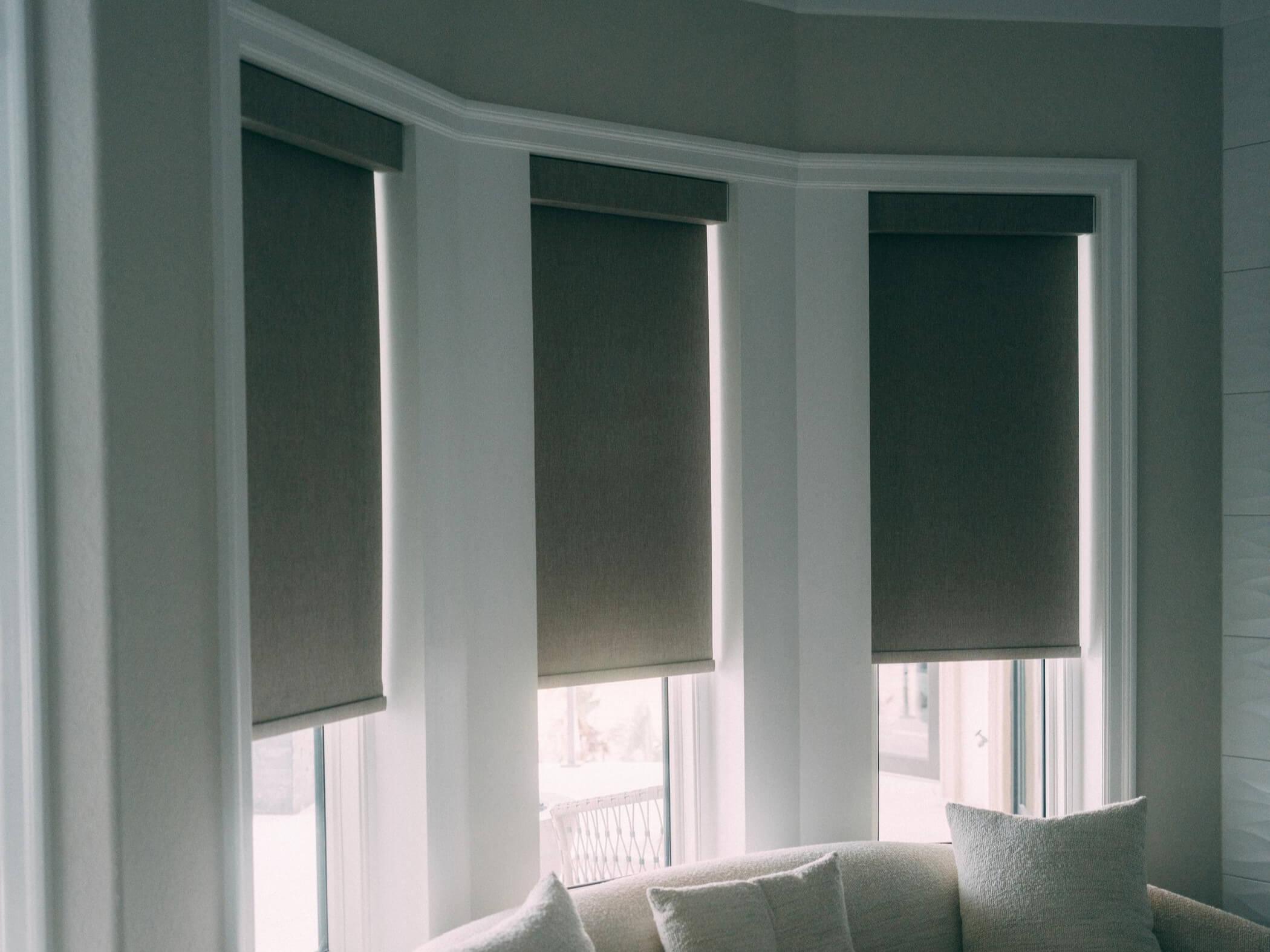
Finding the Right Window Shades With Zinga’s
There isn’t a single “best” type of window shade. There’s the mix that fits each room’s light, privacy, and comfort needs, and makes your home easier to live in. The next step is figuring out which options work best together, where layering makes sense, and whether motorization would actually improve your daily routine.
That’s where Zinga’s Home Solutions can help. With an in-home consultation, personalized recommendations, precise measurements, and professional installation, Zinga’s makes choosing custom window shades simpler from start to finish.
And because Zinga’s offers a wide selection of indoor and outdoor shading solutions, you can think beyond individual windows to how your whole home feels and functions.